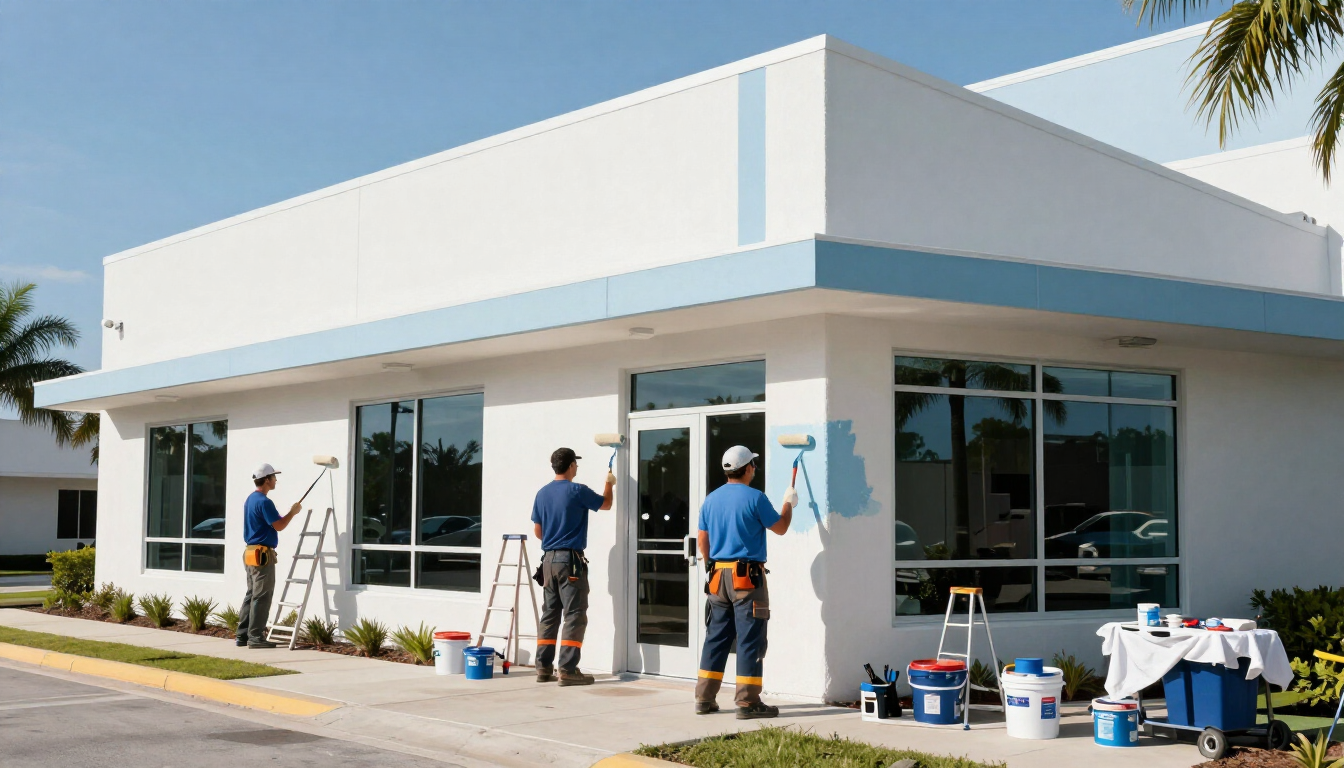
10 Tips for Hiring an Interior Painter
Hiring an interior painter means more than choosing the lowest bid. The right professional should demonstrate experience, proper licensing and insurance, reliable references, detailed preparation methods, quality materials, clear timing, thorough cleanup, and a written warranty. This checklist helps homeowners in St. Petersburg, Tampa, and nearby Florida communities make a confident choice.

1. Check the Painter’s Experience
Interior painting can look simple, but consistent results require skill. Ask how long the company has served homeowners and whether it regularly handles projects similar to yours. A painter experienced with occupied homes will understand furniture protection, careful cutting around trim, dust control, and respectful communication.
Look for experience with:
- Ceilings, walls, doors, trim, and cabinets
- Drywall repairs, water stains, and minor surface damage
- High ceilings, stairwells, and difficult-to-reach areas
- Homes, rental properties, offices, or other spaces relevant to your project
- Florida conditions, including humidity and coastal wear
A locally owned contractor may also be familiar with common construction styles and moisture concerns in St. Petersburg and Tampa.
2. Is the Painter Licensed and Insured?
Ask for current proof of applicable licensing and insurance before work begins. Insurance should generally include general liability coverage and workers’ compensation when the company has employees. These protections help reduce your financial risk if property damage or an on-site injury occurs.
Do not rely only on a verbal assurance. Request documentation and confirm that the policy is current. You can also ask whether subcontractors are used and how they are covered.
Licensing and insurance are not guarantees of perfect workmanship, but they are important signs that a contractor operates responsibly. If you are unsure what a project requires, review the company’s services or contact the contractor directly.
3. Request a Detailed Written Estimate
A written estimate should make it easy to compare painters fairly. It should identify the areas included, preparation work, products, number of coats, labor, materials, estimated schedule, payment terms, and exclusions.
Ask whether the estimate covers:
- Moving or covering furniture
- Wall and drywall repairs
- Caulking, sanding, scraping, and priming
- Doors, baseboards, crown molding, and ceilings
- Paint brand, product line, sheen, and color
- Cleanup and disposal
A vague quote can lead to unexpected charges. The lowest initial price may not be the best value if it excludes essential preparation or finish work. A trustworthy painter will explain assumptions and update the estimate in writing if the scope changes.
4. How Important Is Surface Preparation?
Preparation is one of the strongest predictors of a durable, attractive finish. Paint cannot hide every dent, crack, stain, or uneven area. Before applying paint, the crew should inspect surfaces and recommend appropriate repairs.
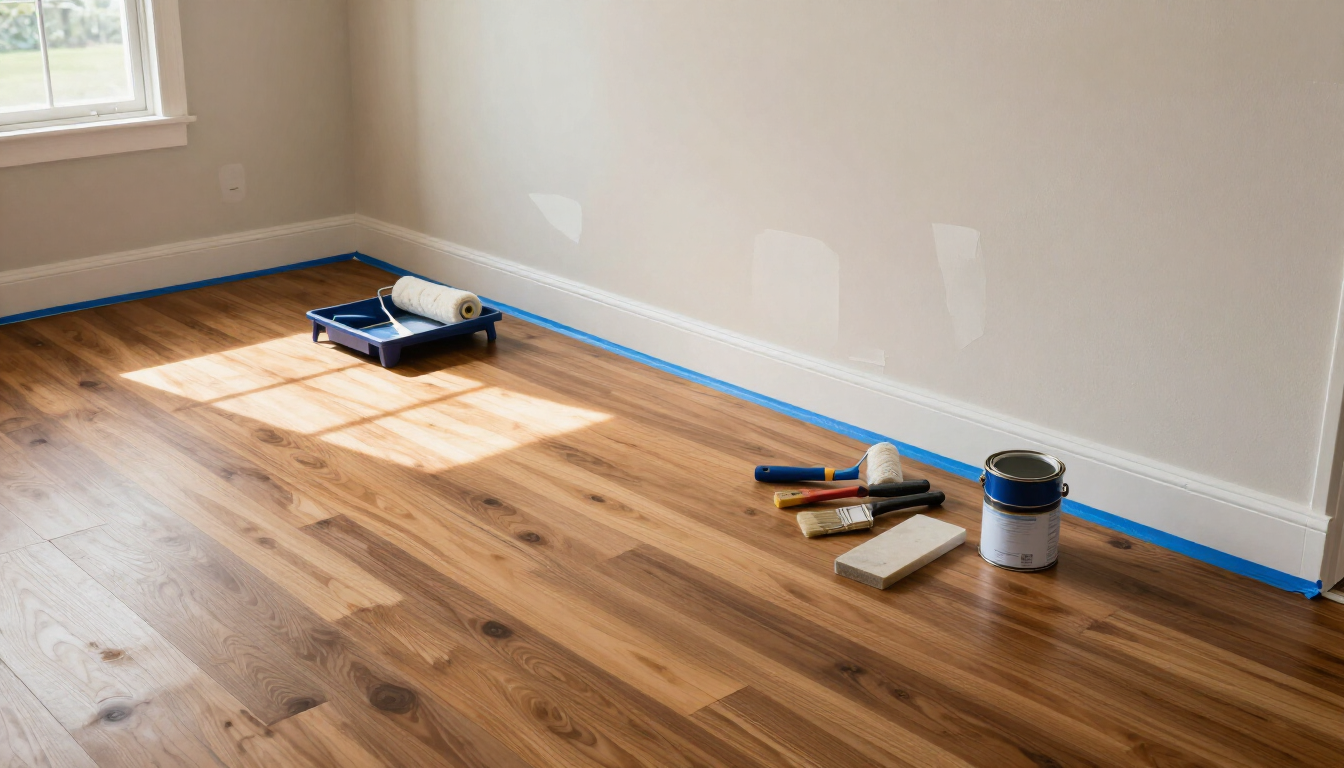
Typical preparation may include cleaning, patching nail holes, sanding rough areas, scraping loose paint, caulking gaps, spot-priming stains, and protecting floors and furnishings. Kitchens, bathrooms, and high-traffic rooms may need additional cleaning because grease, moisture, and repeated contact affect adhesion.
Ask the painter to describe the preparation process for your specific rooms. If the answer is simply “we will paint over it,” consider another option. Quality residential painting begins before the first roller touches the wall.
5. Test Colors Before You Commit
Color can look different depending on natural light, room direction, bulbs, flooring, and nearby furnishings. Before purchasing large quantities, test sample colors on several walls. Observe them in the morning, afternoon, and evening.
Consider how the color connects to adjoining rooms. Warm whites, soft neutrals, and muted greens or blues can create a calm feel, while deeper colors may add character to an accent wall or dining room. A professional painter can discuss sheen and coverage, but the final color decision belongs to you.
Keep a record of the selected brand, product, color name, and formula. This makes future touch-ups much easier.
6. Choose Quality Paint for the Room
The best paint depends on the room and the surface—not simply the most expensive label. High-quality products often offer better coverage, durability, touch-up performance, and washability. A painter should explain why a particular product is appropriate.
For example, washable finishes may be useful in hallways, kitchens, children’s rooms, and other high-contact areas. Flat finishes can help minimize the appearance of minor wall imperfections, while satin or eggshell finishes may offer a practical balance of appearance and cleanability.
Ask how many coats are included and whether primer is needed. Some dramatic color changes, porous surfaces, stains, or patched areas require separate priming for an even result.
7. Ask for Recent References and Reviews
References provide useful insight into communication, punctuality, cleanliness, and final results. Ask for references from projects completed recently and, when possible, projects comparable in size and scope to yours.
You can ask previous customers:
- Was the estimate accurate?
- Did the crew arrive when promised?
- Was furniture and flooring protected?
- Did the team communicate about changes?
- Was the home cleaned at the end of each day?
- How did the company handle touch-ups or concerns?
Online reviews can reveal patterns, but read beyond the star rating. Look for detailed comments about preparation, reliability, and service. You can also view completed work in the contractor’s gallery for examples of finish quality.
8. Confirm the Timeline and Daily Plan
A realistic schedule helps you prepare your household. Ask when the crew can start, how many days the project should take, and what could cause delays. Drying time, repairs, furniture movement, extra coats, and humidity can affect completion.
Clarify daily arrival and departure times, access arrangements, ventilation, pets, children, and which rooms will be unavailable. If you are coordinating other renovation work, confirm the painting sequence with the other contractors.
Be cautious of promises that seem impossibly fast. A careful crew needs time for preparation, application, drying, inspection, and touch-ups. A written schedule is especially helpful for larger homes or projects involving multiple rooms.
9. Confirm Cleanup and Final Inspection
Professional cleanup should be part of the agreement, not an assumption. Ask who will remove coverings, tape, paint debris, empty containers, and other project materials. The crew should leave floors, fixtures, hardware, and furnishings protected and clean.
Before final payment, walk through the completed work with the painter in good lighting. Check corners, trim lines, ceilings, doors, repaired areas, and spots affected by furniture movement. Small touch-ups are normal; the important question is whether the contractor has a clear process for completing them.
Take notes on agreed corrections and confirm when they will be finished. A final walkthrough protects both sides and creates a shared definition of “complete.”
10. Review the Warranty and Payment Terms
Read the contract before signing. It should explain the project scope, price, payment schedule, cancellation terms, change-order process, warranty, and responsibility for repairs caused by existing moisture or structural problems.
A workmanship warranty may cover issues such as peeling or premature coating failure under stated conditions. It usually does not cover normal wear, water intrusion, leaks, movement, or damage caused by other work. Ask what the warranty includes, how long it lasts, and how to request service.
Avoid paying the full amount upfront. Use the payment schedule in the written agreement, and keep receipts, color information, and final documentation for your records.
Questions to Ask Before Hiring an Interior Painter
Use these questions during estimates:
- What preparation is included in the price?
- Which paint products and sheens do you recommend, and why?
- Are licensing, liability insurance, and workers’ compensation current?
- Who will complete the work, and are subcontractors involved?
- What is the expected timeline and cleanup process?
- What workmanship warranty is provided?
Comparing answers—not just prices—will help you identify the contractor who best fits your needs. For more information about the company and its approach, visit the About Us page or contact the team with your project details.
Final Takeaways
Hiring an interior painter is easier when you evaluate the complete service rather than a single price. Verify insurance, compare detailed estimates, prioritize preparation, test colors, choose suitable paint, check references, confirm the schedule, and understand cleanup and warranty terms. These steps are especially useful for homeowners in St. Petersburg, Tampa, and surrounding areas where humidity, busy households, and older surfaces can affect a project. Start by listing the rooms you want painted, your preferred timeline, and any repairs required. Then request written estimates from qualified local contractors and compare the scope carefully before deciding.
Recent Posts