How to Choose Commercial Painting in St. Petersburg
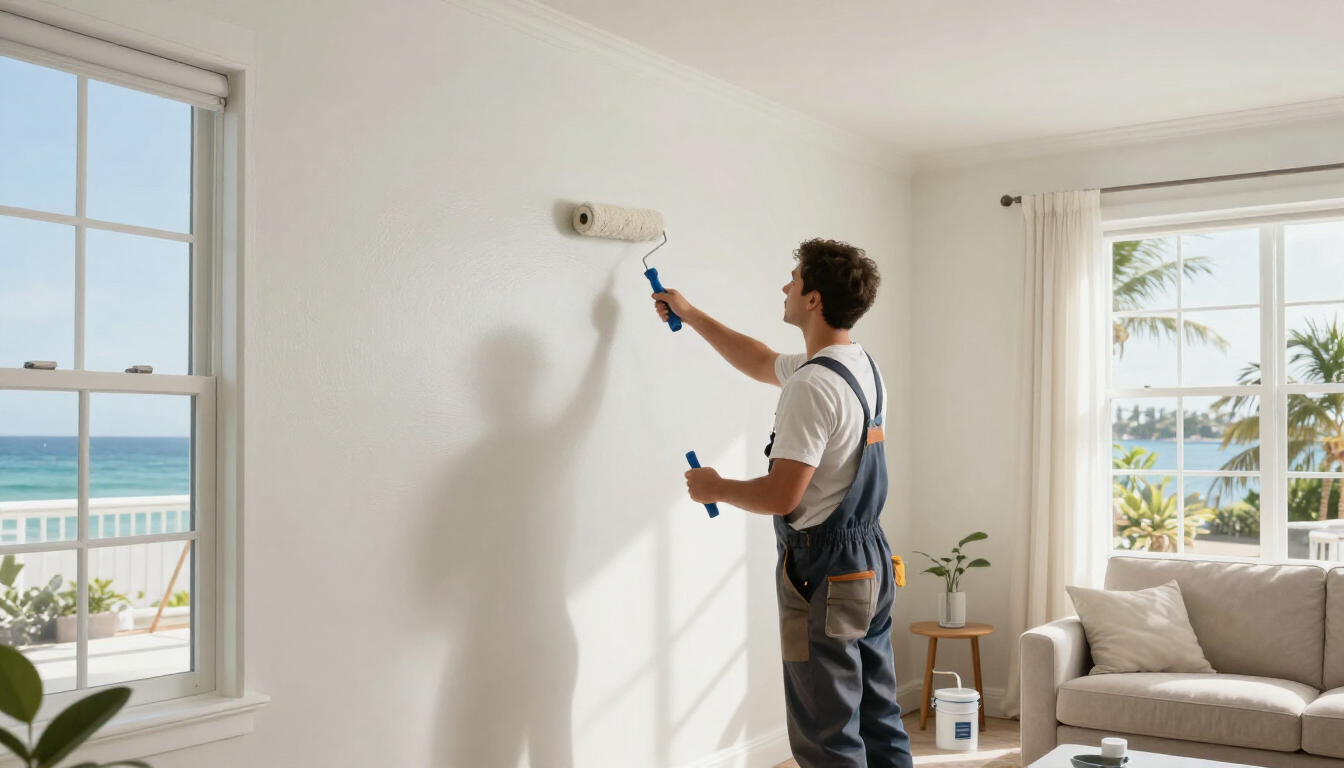
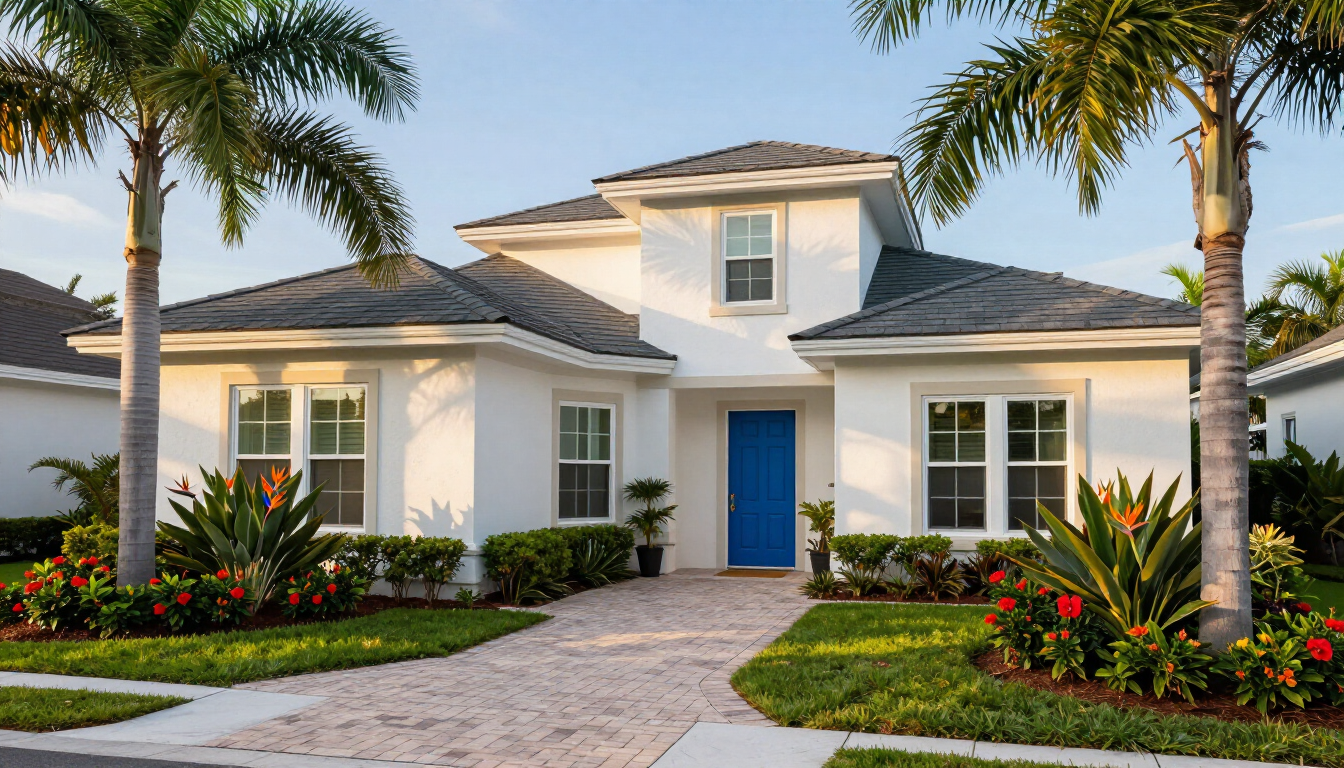
Commercial painting in St. Petersburg, FL requires more than applying a new color. The right contractor coordinates access, business hours, safety, surface preparation, crew scheduling, Florida-ready coatings, and long-term maintenance. A well-planned project protects daily operations while delivering a durable, professional finish for offices, retail spaces, multifamily properties, and commercial facilities.
What does commercial painting in St. Petersburg include?
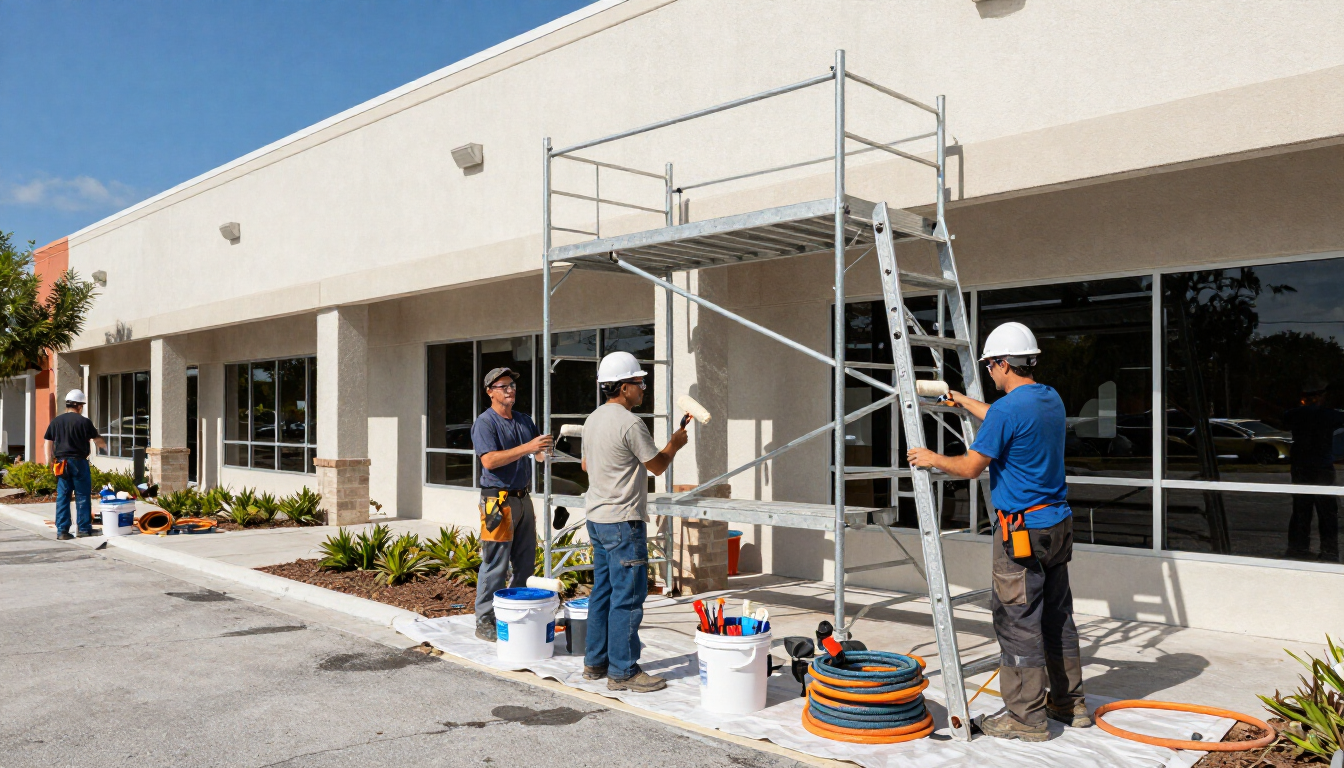
Commercial painting typically covers interior and exterior painting for properties such as:
- Office buildings and professional facilities
- Retail stores, restaurants, and hospitality properties
- Apartment communities and multifamily buildings
- Warehouses, medical offices, schools, and industrial spaces
- Common areas, tenant spaces, parking structures, decks, and fences
The work may also include pressure washing, caulking, drywall or stucco repairs, wood repairs, deck and fence staining, restoration painting, and protective coatings. The scope depends on the building’s condition, use, materials, access requirements, and appearance goals.
For a broader overview of available solutions, explore Our Services . You can also review completed work in the Gallery before planning your project.
Why is a local commercial painting contractor important in Florida?
St. Petersburg and Tampa properties face intense sun, high humidity, salt air, heavy rain, and seasonal storms. These conditions can cause fading, chalking, mildew growth, peeling, corrosion, and premature coating failure.
A local contractor understands how these conditions affect exterior walls, trim, metal, wood, stucco, concrete, and other surfaces. Sharper Image Finishes evaluates the property before recommending a coating system, rather than treating every building the same way.
Local experience can also make scheduling easier. A contractor familiar with the area can plan around weather changes, coordinate with property representatives, and communicate efficiently when site conditions change.
How does Sharper Image Finishes plan a large-scale project?
Large commercial projects begin with an organized assessment and a clear plan. Sharper Image Finishes works with property managers, business owners, and facility teams to understand the building, its occupants, and the operational constraints.
A typical planning process includes:
- Property walkthrough: The team reviews surfaces, damage, access points, landscaping, equipment, signage, and areas requiring protection.
- Scope development: The project is divided into preparation, repairs, priming, finish coats, cleanup, and final inspection.
- Color and coating review: Product choices are matched to the substrate, exposure, traffic level, and desired appearance.
- Schedule coordination: Work is planned around operating hours, tenant needs, deliveries, events, and high-traffic periods.
- Communication plan: The client receives expectations for access, milestones, site updates, and decisions that may affect the schedule.
This preparation helps reduce surprises and gives everyone a shared understanding of what the finished project should look like.
How can painting be scheduled around business hours?
Commercial painting can often be scheduled in phases so a business remains open. The best approach depends on the property’s layout, occupancy, ventilation requirements, noise, odors, and public access.
Common scheduling options include:
- Painting one floor, wing, or tenant space at a time
- Completing interiors before opening or after closing
- Working on exterior elevations while interior operations continue
- Scheduling disruptive preparation during weekends or low-traffic periods
- Separating high-odor products from occupied areas
- Coordinating around deliveries, customer traffic, and employee access
Before work begins, the contractor and property representative should confirm where crews will enter, where equipment will be stored, and how temporary closures will be communicated. A phased plan creates a safer, more predictable experience for occupants and customers.
What are phased commercial painting services?
Phased painting divides a larger project into manageable sections. This approach is useful for occupied offices, retail centers, apartment communities, medical facilities, and properties with multiple buildings.
A phased plan may be organized by:
- Building or elevation
- Floor or department
- Tenant suite
- Interior versus exterior areas
- Priority repairs or high-visibility spaces
Each phase should have defined start and completion criteria. The contractor can complete preparation, painting, cleanup, and inspection in one area before moving to the next. This limits disruption and gives managers more control over access and communication.
How many crews are needed for a commercial project?
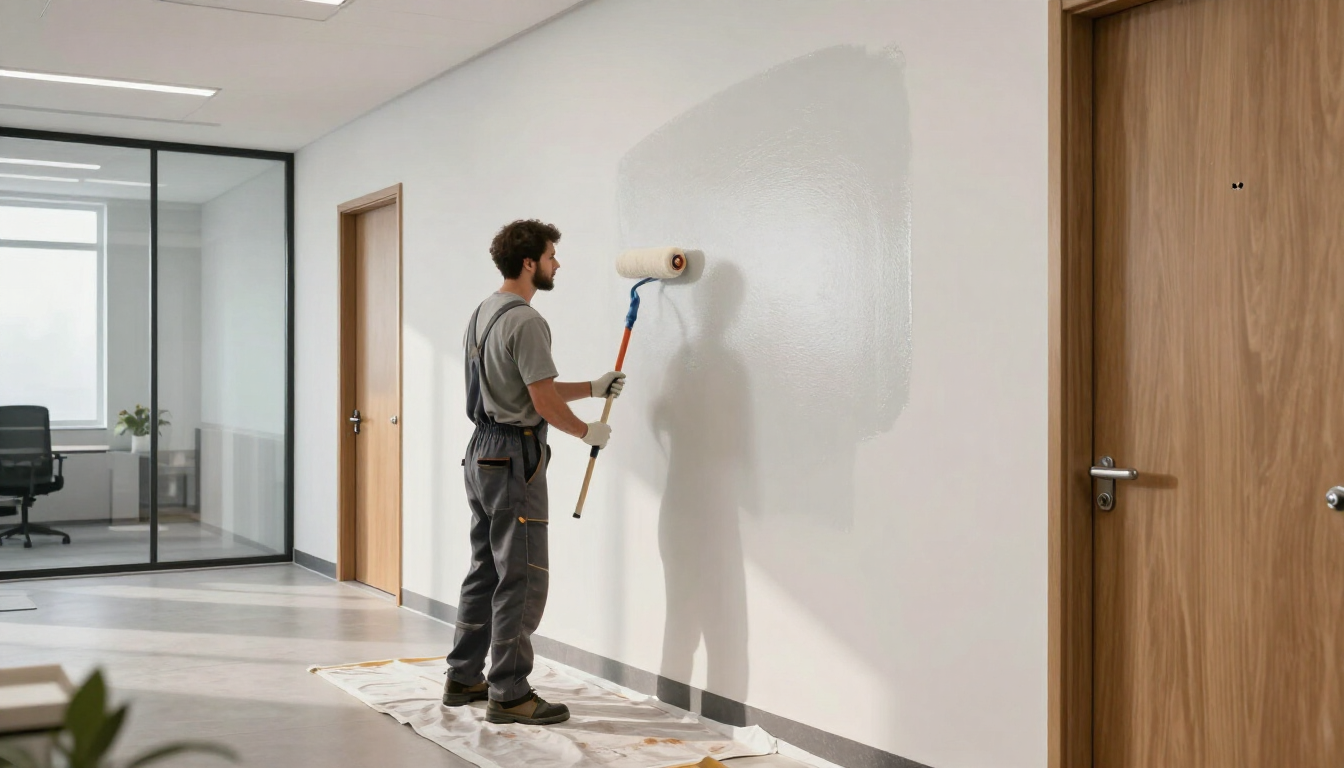
Crew size depends on the property’s square footage, surface condition, number of colors, access, deadline, and work hours. A smaller crew may be appropriate for a single office or tenant improvement. A larger coordinated team may be needed for a multi-building property or compressed schedule.
Adding people does not automatically make a project faster. Productivity depends on supervision, material staging, equipment, surface preparation, and the ability to work safely without interfering with occupants. The contractor should explain how the crew will be organized and who will manage day-to-day communication.
For property managers, a single point of contact is especially valuable. It keeps questions, schedule updates, change requests, and site observations moving efficiently.
Which coatings work best for St. Petersburg’s humidity and sun?
The best coating depends on the surface and exposure, but commercial properties in the Tampa Bay area generally benefit from products selected for durability, moisture resistance, color retention, and mildew resistance where appropriate.
Important considerations include:
- Exterior walls: Products should suit stucco, masonry, concrete, or previously painted surfaces and tolerate strong ultraviolet exposure.
- Metal: Proper cleaning, rust treatment, and compatible primers help reduce corrosion and adhesion problems.
- Wood: Stains and paints should account for movement, moisture, and direct sun.
- High-traffic interiors: Washable, scuff-resistant finishes can support easier maintenance.
- Moist areas: Coatings and preparation should address ventilation, condensation, and mildew risks.
Product selection is only part of performance. Thorough preparation, correct application, appropriate film thickness, and suitable weather conditions are equally important. A professional evaluation should determine the final system rather than relying on a one-size-fits-all recommendation.
What safety practices matter on a commercial jobsite?
Commercial painting may involve ladders, lifts, scaffolding, masking, solvents, power washing, active parking areas, and occupied buildings. A responsible project plan addresses both worker safety and the public’s safety.
Key practices may include:
- Clearly marking work zones and access restrictions
- Protecting floors, furniture, landscaping, vehicles, and equipment
- Managing ladders, lifts, scaffolding, and overhead work
- Maintaining ventilation and following product safety requirements
- Storing materials securely and keeping walkways clear
- Cleaning the site at the end of each work period
Property managers should share site-specific rules, emergency procedures, access requirements, and known hazards before work starts. Open communication supports a safer project for everyone.
How do commercial painting estimates work?
A commercial painting estimate should reflect the real scope of work, not only the visible wall area. A professional estimate may account for surface preparation, repairs, coatings, access equipment, protection, labor, scheduling, cleanup, and warranty terms.
When comparing estimates, ask whether each proposal identifies:
- Areas and surfaces included
- Preparation and repair work
- Products or coating categories
- Number of coats and application methods
- Exclusions, allowances, and potential change orders
- Schedule assumptions and expected completion window
- Insurance, warranty, and cleanup details
The lowest price may not be the lowest total cost if it omits essential preparation or uses a system that requires early repainting. A clear proposal makes comparisons more meaningful and helps prevent unexpected costs.
What should you ask before hiring a commercial painter?
Before selecting a contractor, ask practical questions about experience, communication, and execution:
- Have you completed projects similar in size, use, and surface type?
- Who will manage the project and provide updates?
- How will the work be phased around occupants and business hours?
- What preparation and repairs are included?
- Which products are being considered for Florida exposure?
- How will the site be protected and cleaned?
- What documentation, insurance, and warranty information will be provided?
References, photographs, and a detailed scope can help confirm whether a contractor is suited to the property. The About Us page provides additional background on the company and its service-focused approach.
Commercial painting FAQ
How long does commercial painting take?
The timeline varies based on square footage, repairs, weather, access, colors, crew size, and whether the property remains open. A walkthrough and defined scope are needed for a reliable schedule.
Can a commercial building stay open during painting?
Often, yes. Work can be phased by area or scheduled during low-traffic periods. The plan must account for ventilation, odors, noise, access, and occupant safety.
Does exterior painting require pressure washing?
Many exterior projects benefit from cleaning, but the method depends on the substrate and condition. Excessive pressure can damage stucco, wood, or other surfaces, so cleaning should be performed appropriately.
Are commercial painting warranties available?
Warranty terms vary by project, products, surfaces, and preparation requirements. Ask for warranty coverage, exclusions, duration, and maintenance responsibilities in writing.
Do you serve Tampa as well as St. Petersburg?
Sharper Image Finishes serves St. Petersburg, Tampa, and surrounding areas. Contact the team to discuss the property, desired timing, and project requirements.
A practical next step for your property
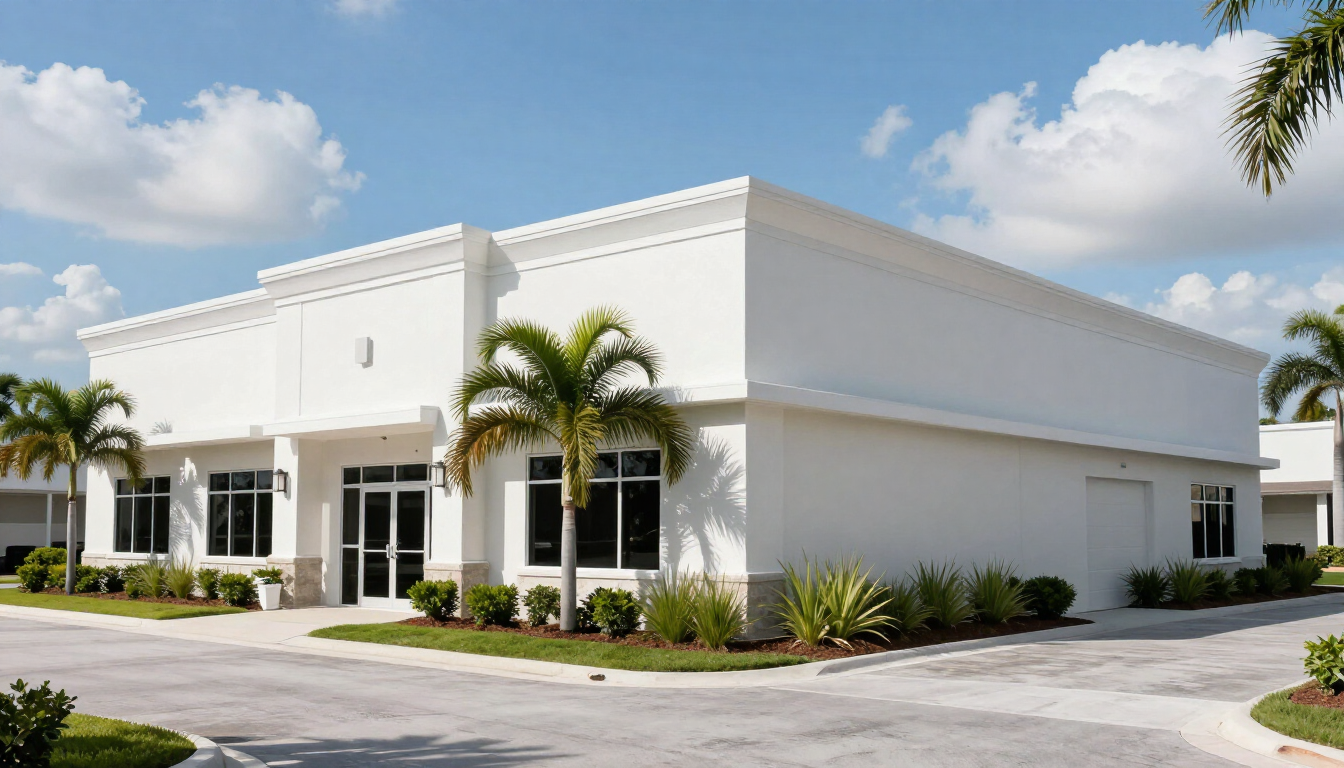
Commercial painting in St. Petersburg works best when planning, preparation, scheduling, coatings, and communication are treated as one process. A phased plan can reduce disruption, while Florida-appropriate products and careful surface preparation support a longer-lasting finish. If you manage a business, multifamily property, or facility, start by documenting the areas that need attention, your preferred work windows, and any access or safety requirements. Then request a detailed walkthrough and estimate from a qualified local contractor. Compare the scope—not just the price—and confirm the schedule, preparation, warranty, and communication plan before approving the work. Visit Contact Us to begin the conversation.
Recent Posts